Author: Kai
-
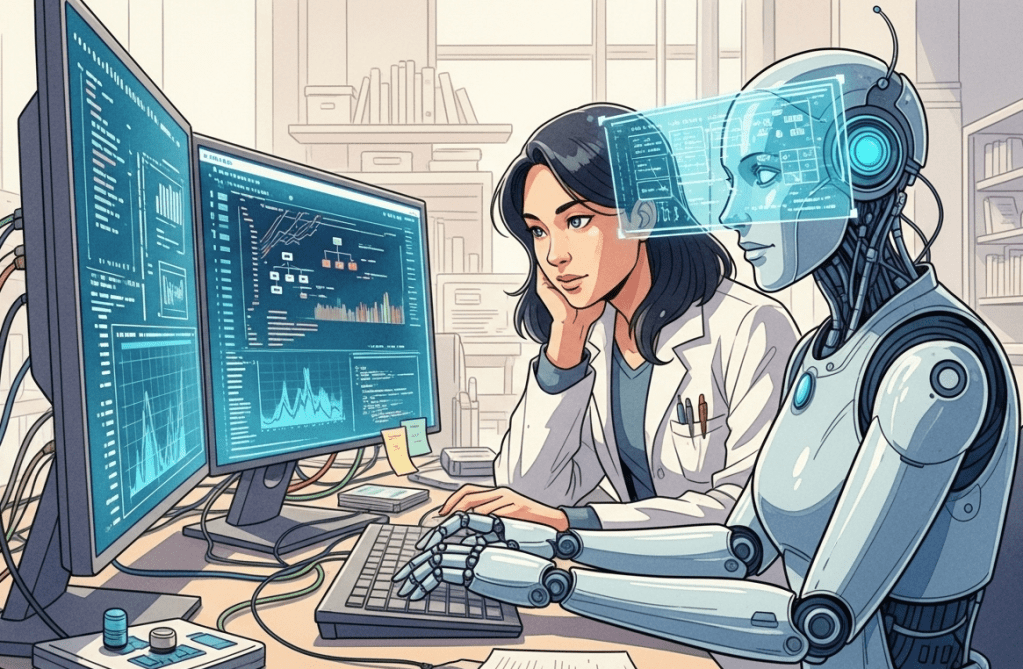
Human-Centred Agentic Science: New Paradigm for Scientific Discovery
Key technologies: Front end: React or Flutter and JavaScript-based visualisation such as d3.js and Observable. Back end: vector database (chroma). Machine learning: prompt engineering, agent orchestration framework (such as LangChain/LangGraph), and MCP. Background AI has been behind some of the recent scientific breakthroughs. One of the most prominent examples is the 2024 Nobel Prize winning…
-

Machine Learning for Automated Trading
Key technologies: Front end: React or Flutter. Back end: (online) relational database, especially for time-series data. Machine learning: deep learning, anomaly detection, model tuning and performance tracking (such as MLFlow), LLM, and agent orchestration framework (such as LangChain/LangGraph). The source code is here (for front end). Background The main idea is to use machine learning…
-

Human-AI Collaboration – LLM for Qualitative Analysis
The recent breakthrough in Large Language Models (LLMs), such as chatGPT, and generative models, such as Stable Diffusion, can be tremendously valuable in supporting analysis and creative tasks. While powerful, such models can be difficult to use, especially for domain experts, such as qualitative researchers and visual artists, who are not experts in machine learning.…
-

Human-AI Collaboration: Generative Models for Artistic Creation
The recent breakthrough in Large Language Models (LLMs), such as chatGPT, and generative models, such as Stable Diffusion, can be tremendously valuable in supporting analysis and creative tasks. While powerful, such models can be difficult to use, especially for domain experts, such as qualitative researchers and visual artists, who are not experts in machine learning.…
-

Vitality 2: Chat with Your Papers
Key technologies: Front end: React or Flutter. Back end: vector database (chroma). Machine learning: LLM, RAG (such as RAGFlow), agent orchestration framework (such as LangChain/LangGraph), and MCP. You can see all the source code here. Background There are many types of qualitative analyses for academic publications. These are analyses that do not involve numerical computation…
-
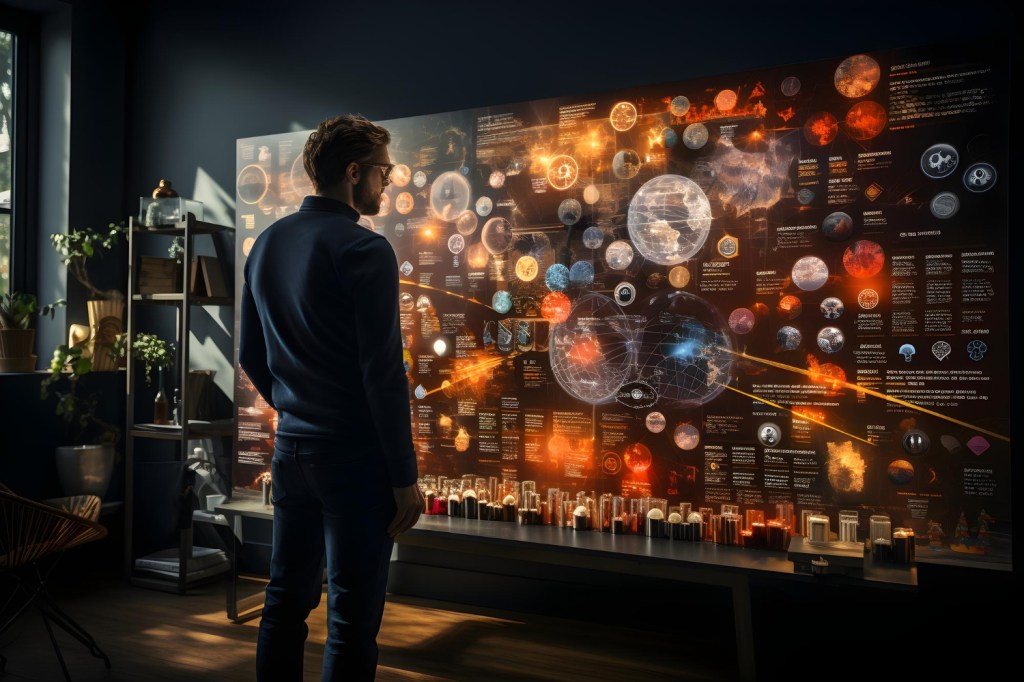
Visual Analytic for Sensemaking
What is Visual Analytics? Visual Analytics is closely related to Data Visualisation, which is also known as Information Visualisation, that helps users discover insights (from data) by presenting it visually. This takes advantage of the visual cognition system (brain is part of it), which is a very powerful computer for detecting certain patterns (we became…
-

Provenance for Sensemaking
What is Provenance? The word provenance originally was mainly used for art work, refers to ‘the history of ownership of a valued object or work of art or literature’. For a painting, this includes the information of who painted it when and how the painted changed hands over time. More recently, the concept is expanded…
-
Data Science Provenance
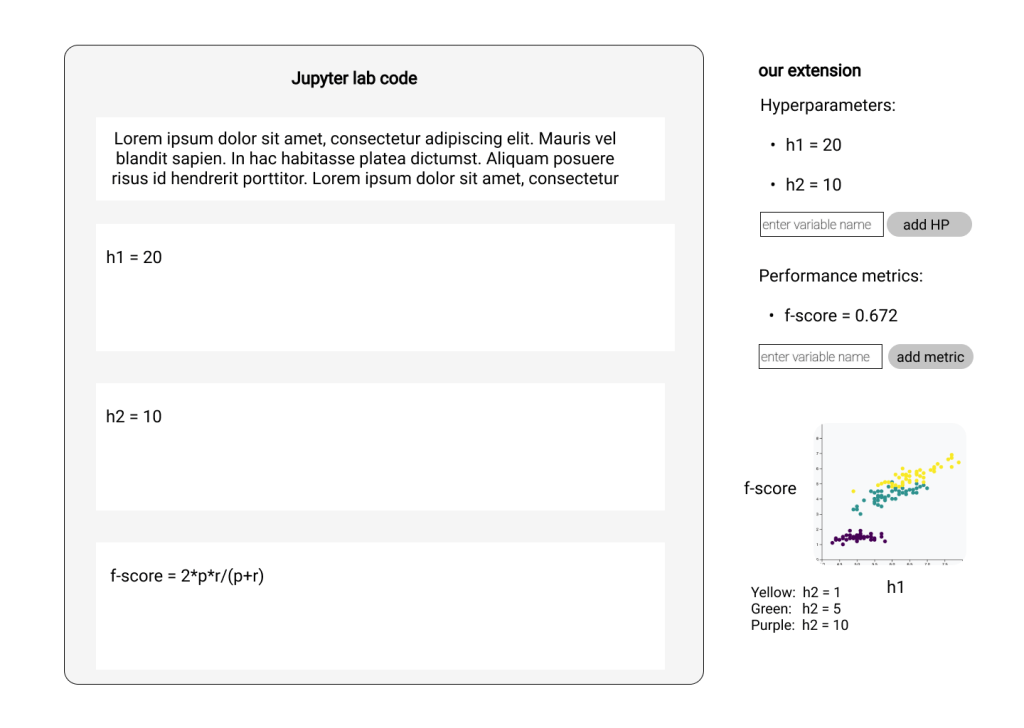
Background While there are some efforts to automate the process of build machine learning model (commonly known as ‘AutoML‘), there are many tasks in the different stages of a data science pipeline (see the diagram below) cannot be fully automated. For example, for ‘Data Wrangling’ a decisions have to be made on which dataset to…
-

1st IEEE Workshop on Visualization and Provenance Across Domains
October 22nd, 2023 at IEEE VIS in Melbourne, Australia https://visxprov.github.io/ Our ambition is to build this into a series of workshops, targeting a different research community outside visualization each year, and eventually create a provenance research network that connects all the relevant communities. For this year, we will target the database community, which is one…
-

Dagstuhl Seminar: Human-Centered Approaches for Provenance in Automated Data Science
Sep 10 – Sep 15, 2023, Dagstuhl, Germany https://www.dagstuhl.de/23372 This Dagstuhl Seminar aims to bring together an interdisciplinary group of researchers and practitioners, spanning Data Science (DS) and Machine Learning (ML), Visualization and Human-Computer Interactions (HCI), and Provenance; to tackle the challenges in automated data science (AutoDS). We specifically focus on ways that methods from…
 Human-AI Collaboration