Category: Papers
-

Analytic Provenance as Constructs of Behavioural Markers for Externalizing Thinking Processes in Criminal Intelligence Analysis (Community-Oriented Policing and Technological Innovations)
Chapter 10 of the book Community-Oriented Policing and Technological Innovations (2018) Studying how analysts use interaction in visualization systems is an important part of evaluating how well these interactions support analysis needs, like generating insights or performing tasks. Analytic Provenance commonly known as interaction histories contains information about the sequence of choices that analysts make…
-
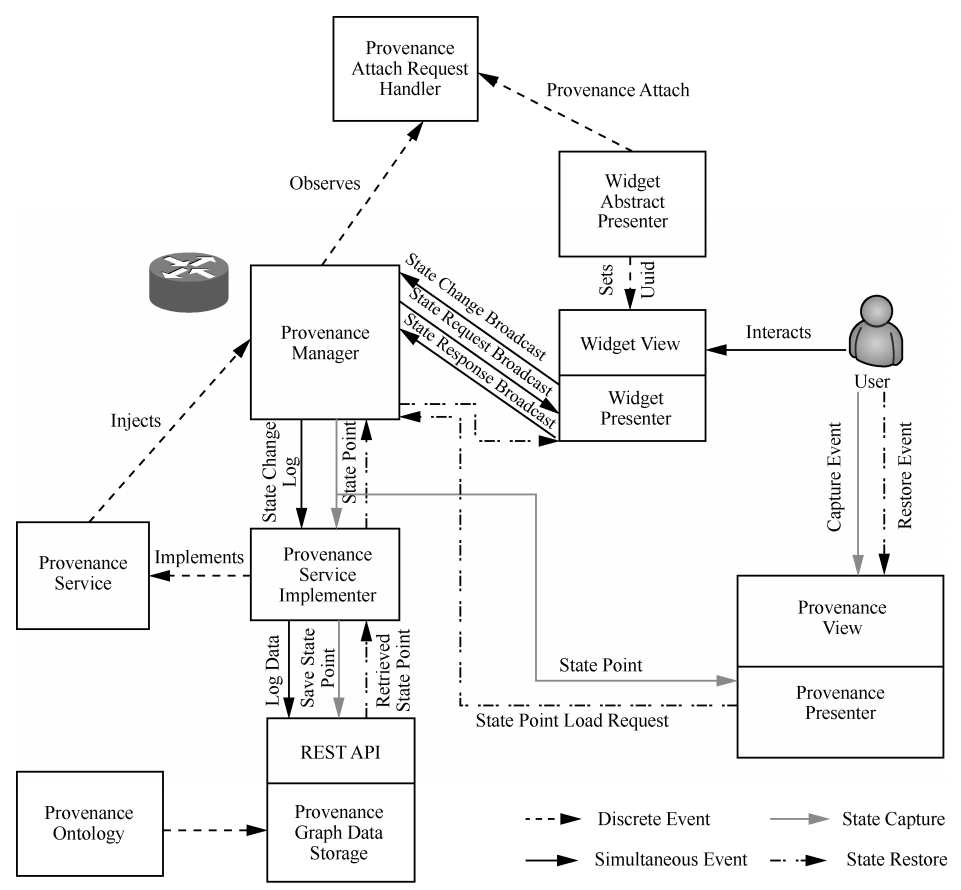
Analytic provenance for criminal intelligence analysis (Journal of Network and Information Security)
Chinese Journal of Network and Information Security (2018) In criminal intelligence domain where solution discovery is often serendipitous,it demands techniques to provide transparent evidences of top-down and bottom-up analytical processes of analysts while sifting through or transforming sourced data to provide plausible explanation of the fact.Management and tracing of such security sensitive analytical information flow…
-

Evaluating interactive visualization of multidimensional data projection with feature transformation (Multimodal Technologies and Interaction)
Multimodal Technologies and Interaction 2017 There has been extensive research on dimensionality reduction techniques. While these make it possible to present visually the high-dimensional data in 2D or 3D, it remains a challenge for users to make sense of such projected data. Recently, interactive techniques, such as Feature Transformation, have been introduced to address this.…
-
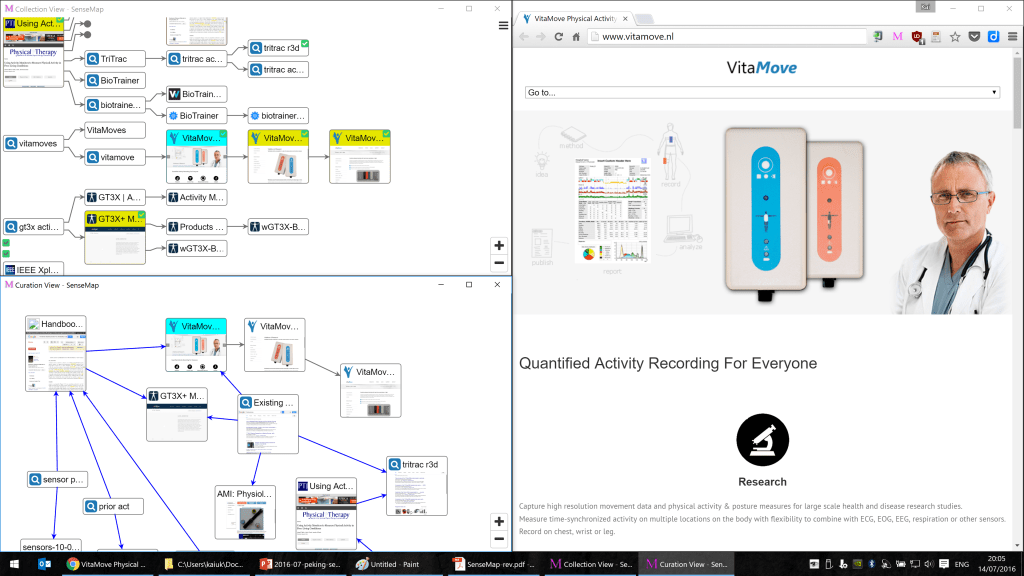
SenseMap: Supporting Browser-based Online Sensemaking through Analytic Provenance (VAST 2016)
The paper is accepted by the VAST 2016 conference! The paper introduced a new tool called SenseMap that help users with online sensemaking for daily tasks such as find a camera, book a holiday, etc. The tool is available as a Chrome plugin (very early stage = lots of bugs 🙂 and there is more…
-

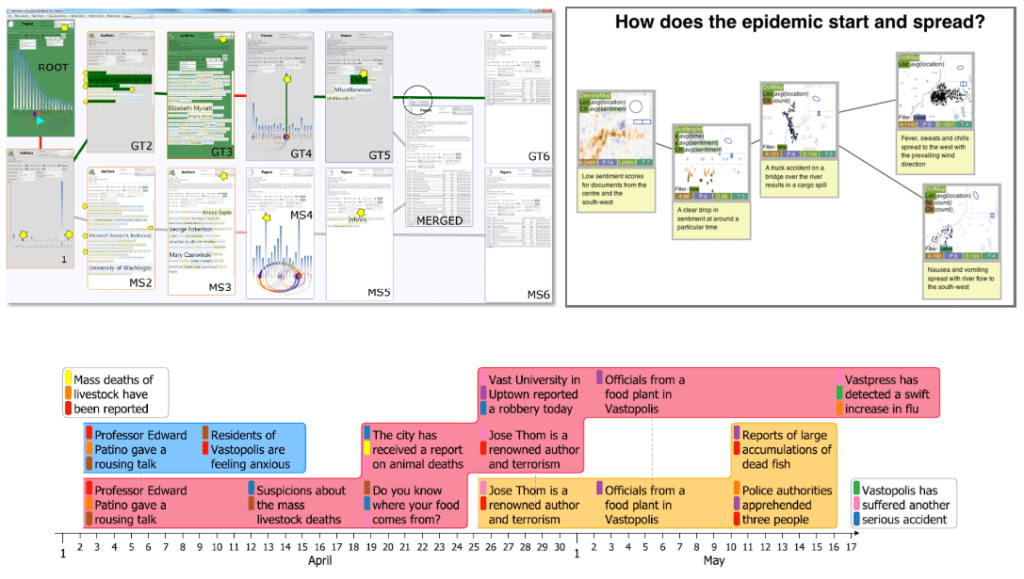
Timesets: Timeline visualization with set relations (Information Visualisation journal 2016)
This paper describes a new method designed for temporal visualization with ‘set’ information. Here the ‘set’ can be different ‘theme’ or ‘topic’, such as person, location, organisation, etc. It was selected as the journal cover! More information here
-
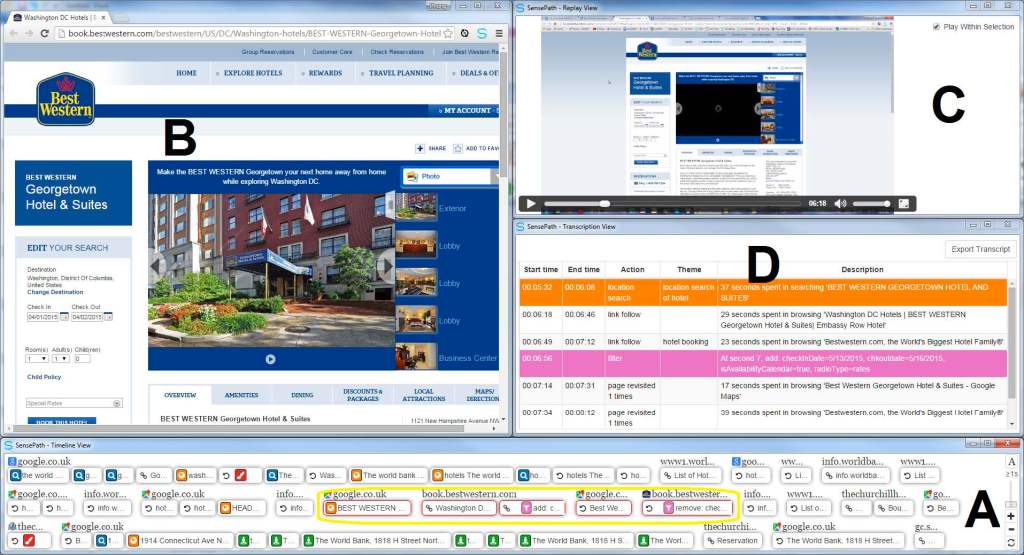
Sensepath: Understanding sensemaking process through analytic provenance (TVCG 2015)
The paper is accepted at VAST 2015, and later appeared in the journal TVCG. It introduces a new tool that can save a lot time doing the transcription and coding when analysing the data collected from qualitative studies such as thematic analysis. More details here
-
Analytic Provenance for Sensemaking: A Research Agenda (CG&A 2015)
This is the outcomes from the analytic provenance workshop organised at VIS 2014. It provides an overview of the research related to analytic provenance and the challenges/open problems it faces (a lot). PDF (IEEE digital library Xplore)
-
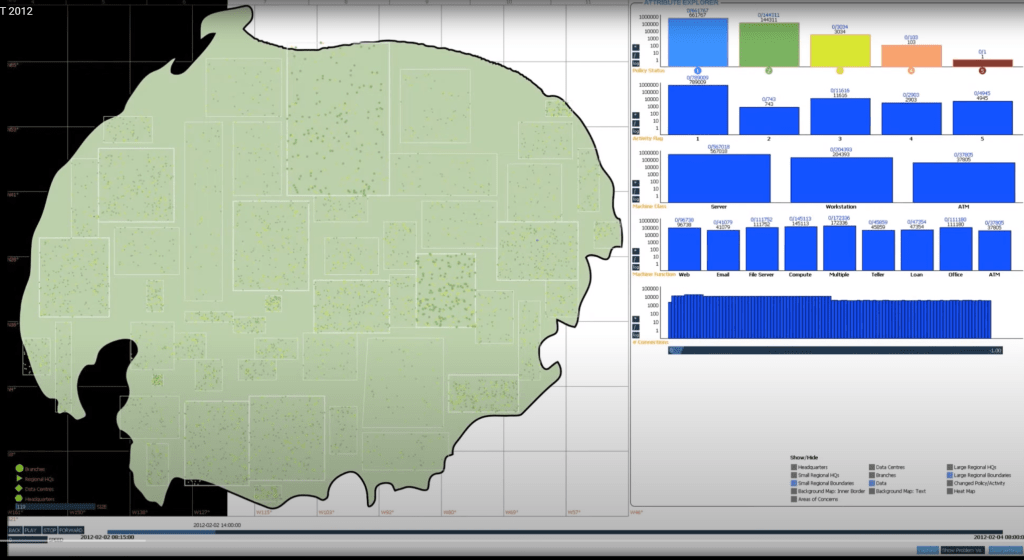
Concern Level Assessment: Building Domain Knowledge into a Visual System to Support Network Security Situation Awareness (Information Visualisation Journal 2014)
This is a detailed report of our winner entry to the VAST challenge 2012.
-
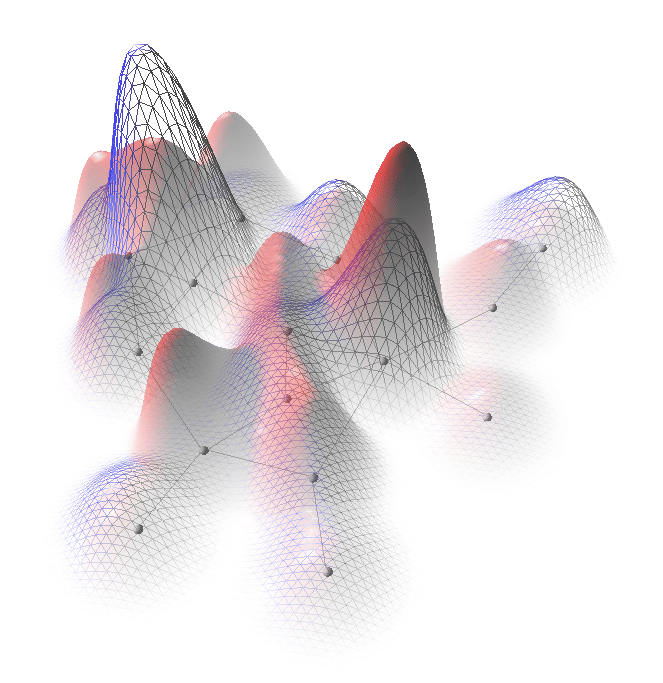
Book chapter on Multivariate Network Visualisation
T. J. Jankun-Kelly, T. Dwyer, D. Holten, C. Hurter, M. Nöllenburg, C. Weaver, and K. Xu, “Scalability Considerations for Multivariate Graph Visualization,” in Multivariate Network Visualization, A. Kerren, H. C. Purchase, and M. O. Ward, Eds. Springer International Publishing, 2014, pp. 207–235. PDF. Multivariate network is a quite challenging problem: it involves both the network structure…
-
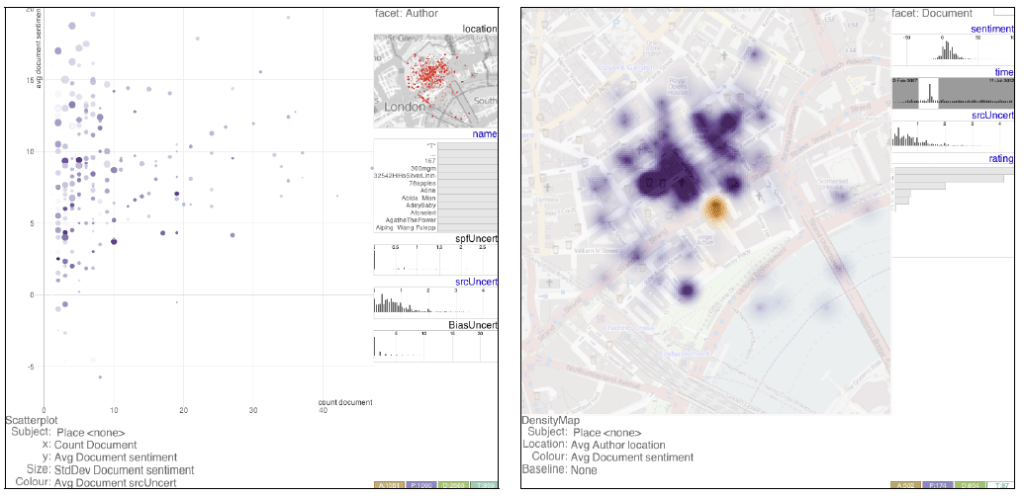
TVCG/VAST 2013: An Extensible Framework for Provenance in Human Terrain Visual Analytics
The paper is accepted by the VAST 2013 conference and will appear in the IEEE Transactions on Visualization and Computer Graphics. It provides visualisation for different uncertainties in Human Terrain Analyisis and a way to construct narratives of the visual exploration discoveries. PDF
 Human-AI Collaboration
You must be logged in to post a comment.