Category: Highlights
-

VizTIG: The Visualization interest group at the Alan Turing Institute
https://www.turing.ac.uk/research/interest-groups/visualization Visualization research and innovation has become critical to data science, it bridges the gap between digital data and human cognition. It is also emerging as an important methodology for helping visualize how machine learning and AI systems arrive at decisions, while clearly illustrating any bias in those decisions. The visualization interest group (VizTIG) meets regularly…
-

Provectories: Embedding-based Analysis of Interaction Provenance Data
IEEE Transaction on Visualisation and Computer Graphics (TVCG) Understanding user behavior patterns and visual analysis strategies is a long-standing challenge. Existing approaches rely largely on time-consuming manual processes such as interviews and the analysis of observational data. While it is technically possible to capture a history of user interactions and application states, it remains difficult…
-
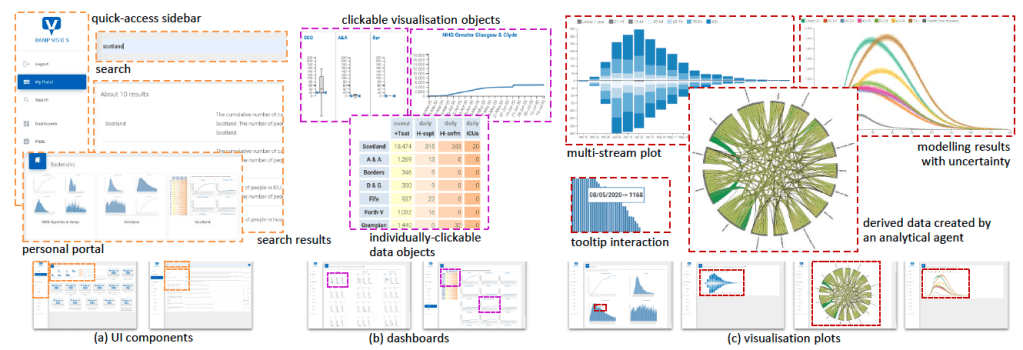
RAMPVIS: Answering the Challenges of Building Visualisation Capabilities for Large-scale Emergency Responses
Epidemics (journal) This paper describes the collaborative efforts from the RAMPVIS consortium to help the epidemiologists modelling the various aspects of Covid19, including the spread of the disease and the impact of different isolation policies. Started as a voluntary effort, there are many challenges faced by the group of close to 20 visualisation experts, including…
-
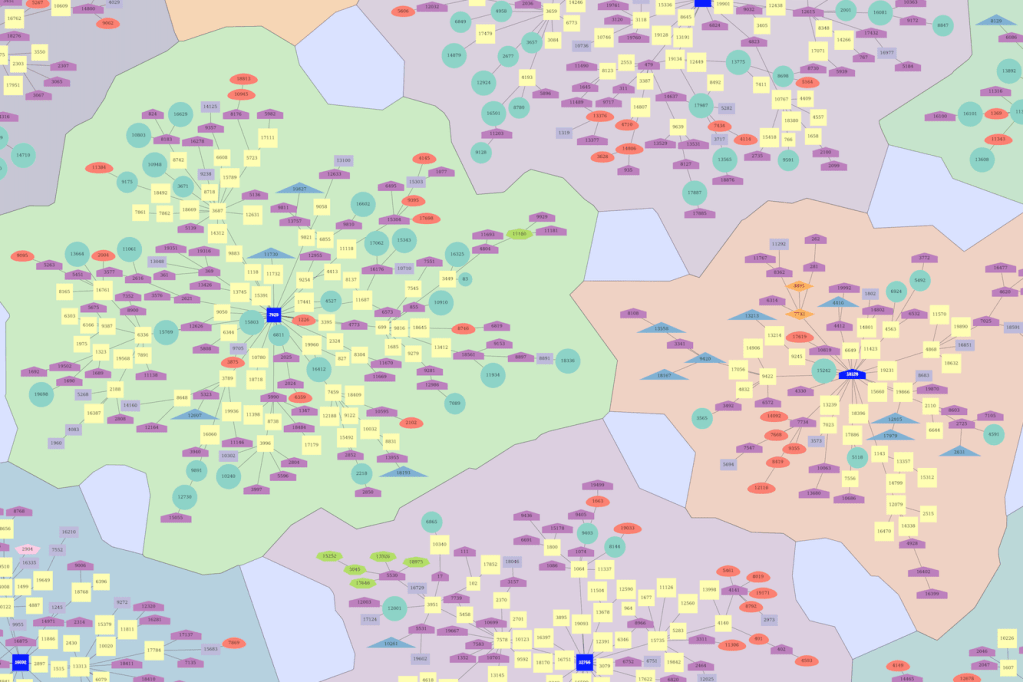
RAMP VIS – Visual Analytics for Covid-19 (2021-2022, £430,000)
EPSRC, 2021-2022, £430,000 This is a collaborative efforts with many visualisation researchers across the UK to provide visual analytics support in the fight against Covid-19. It started as a volunteer effort, led by Prof. Min Chen from Oxford University. A team of 20 visualisation researchers from over 10 different universities worked closely with epidemiologists who…
-
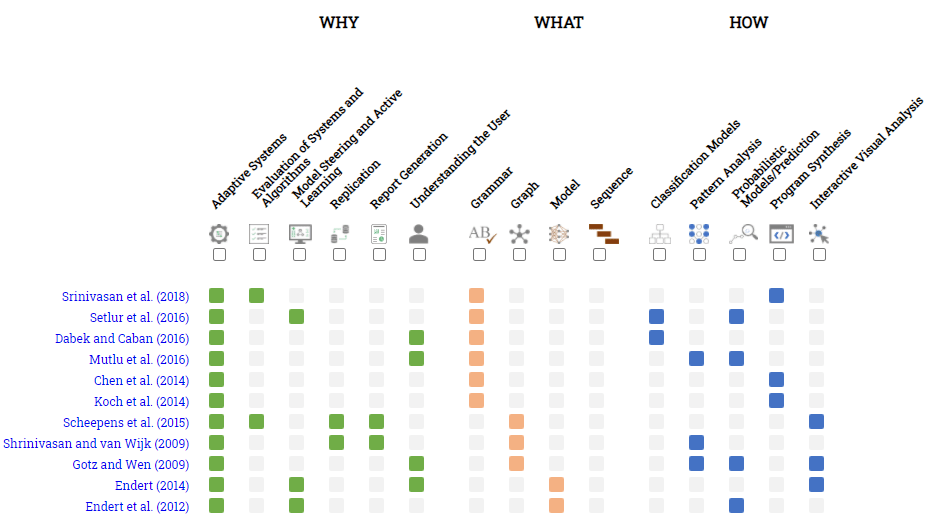
Survey on the Analysis of User Interactions and Visualization Provenance (EuroVis/Computer Graphics Forum)
EuroVis/Computer Graphics Forum 2020 There is fast-growing literature on provenance-related research, covering aspects such as its theoretical framework, use cases, and techniques for capturing, visualizing, and analyzing provenance data. As a result, there is an increasing need to identify and taxonomize the existing scholarship. Such an organization of the research landscape will provide a complete…
-
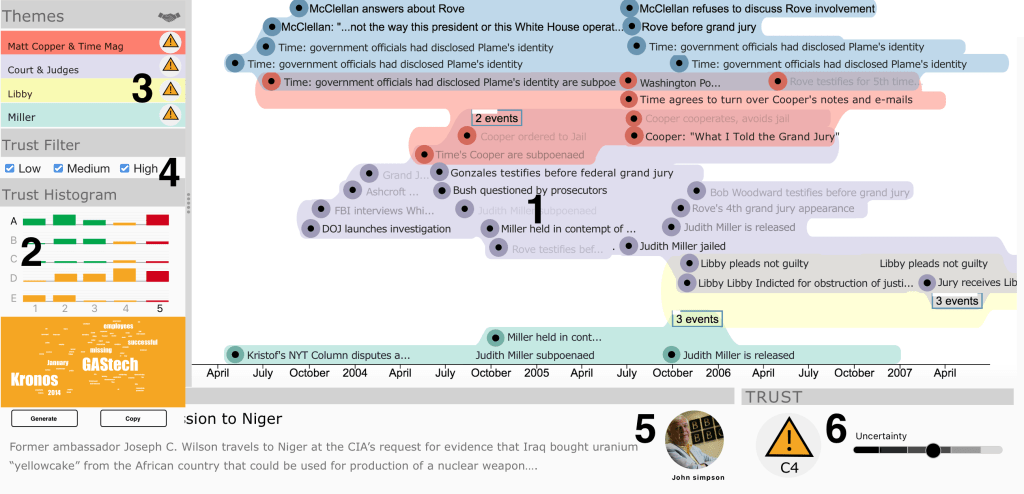
TimeSets: Temporal sensemaking in intelligence analysis (IEEE Computer Graphics and Applications)
IEEE Computer Graphics and Applications (CG&A) 2020 TimeSets is a temporal data visualization technique designed to reveal insights into event sets, such as all the events linked to one person or organization. In this paper we describe two TimeSets-based visual analytics tools for intelligence analysis. In the first case, TimeSets is integrated with other visual…
-

Putting the “i” in interaction: Interactive interfaces personalized to individuals (IEEE Computer Graphics and Applications)
IEEE Computer Graphics and Applications (CG&A) 2020 Interactive data exploration and analysis is an inherently personal process. One’s background, experience, interests, cognitive style, personality, and other sociotechnical factors often shape such a process, as well as the provenance of exploring, analyzing, and interpreting data. This viewpoint posits both what personal information and how such personal…
-
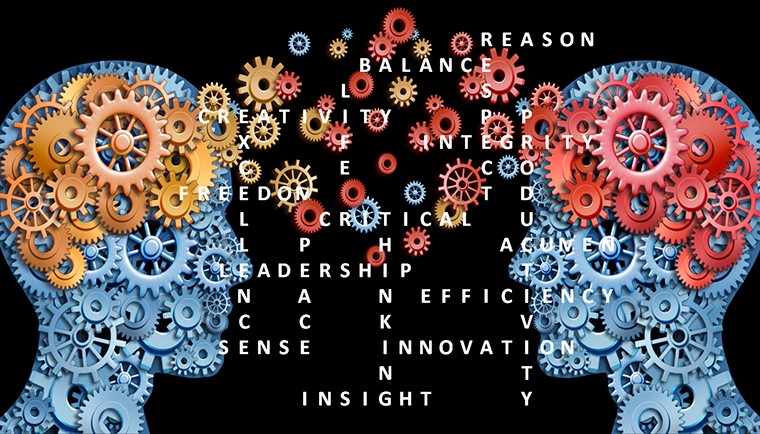
Provenance analysis for sensemaking
IEEE Computer Graphics and Applications 2020 This is the introduction I wrote (with the other co-editors) for the special issue on Provenance Analysis for Sensemaking in the IEEE Computer Graphics and Applications. This special issue reports the outcomes from the Dagstuhl Seminar I co-organised a year earlier on the same topic. https://ieeexplore.ieee.org/document/8889811
-
Invited talk at the data+visual meetup
This is the talk I given at the data+visual meeting in London in Aug 2016 http://www.slideshare.net/kaixu79/making-sense-of-big-data-visual-analytics-and-provenance
-
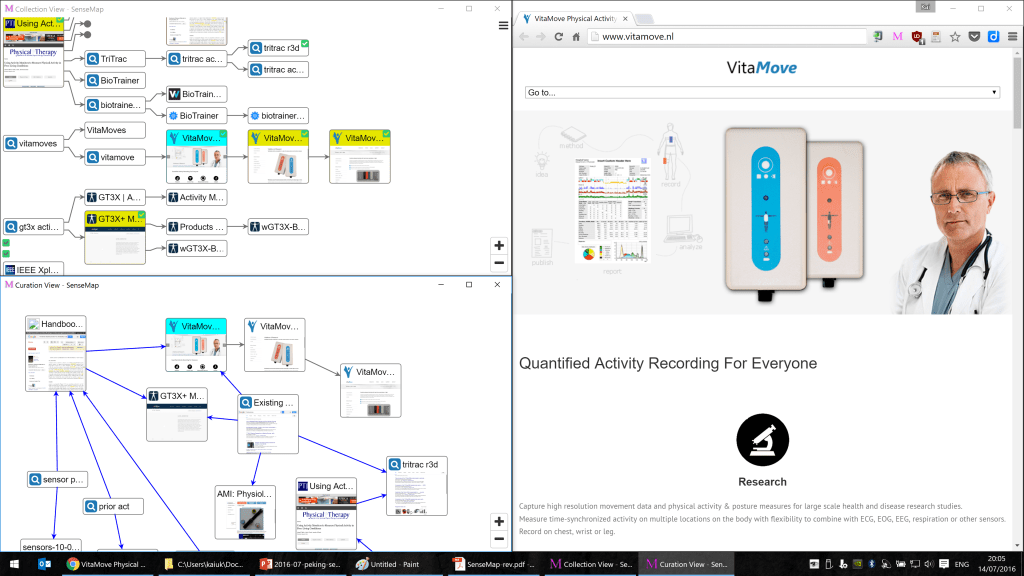
SenseMap: Supporting Browser-based Online Sensemaking through Analytic Provenance (VAST 2016)
The paper is accepted by the VAST 2016 conference! The paper introduced a new tool called SenseMap that help users with online sensemaking for daily tasks such as find a camera, book a holiday, etc. The tool is available as a Chrome plugin (very early stage = lots of bugs 🙂 and there is more…
 Human-AI Collaboration
You must be logged in to post a comment.